
Reading
Soluble Fiber Foods After 60: What to Buy and Cook
Find soluble fiber foods you can add to breakfast or lunch, from oats and apples to beans and lentils. Learn how to compare total fiber on food labels.
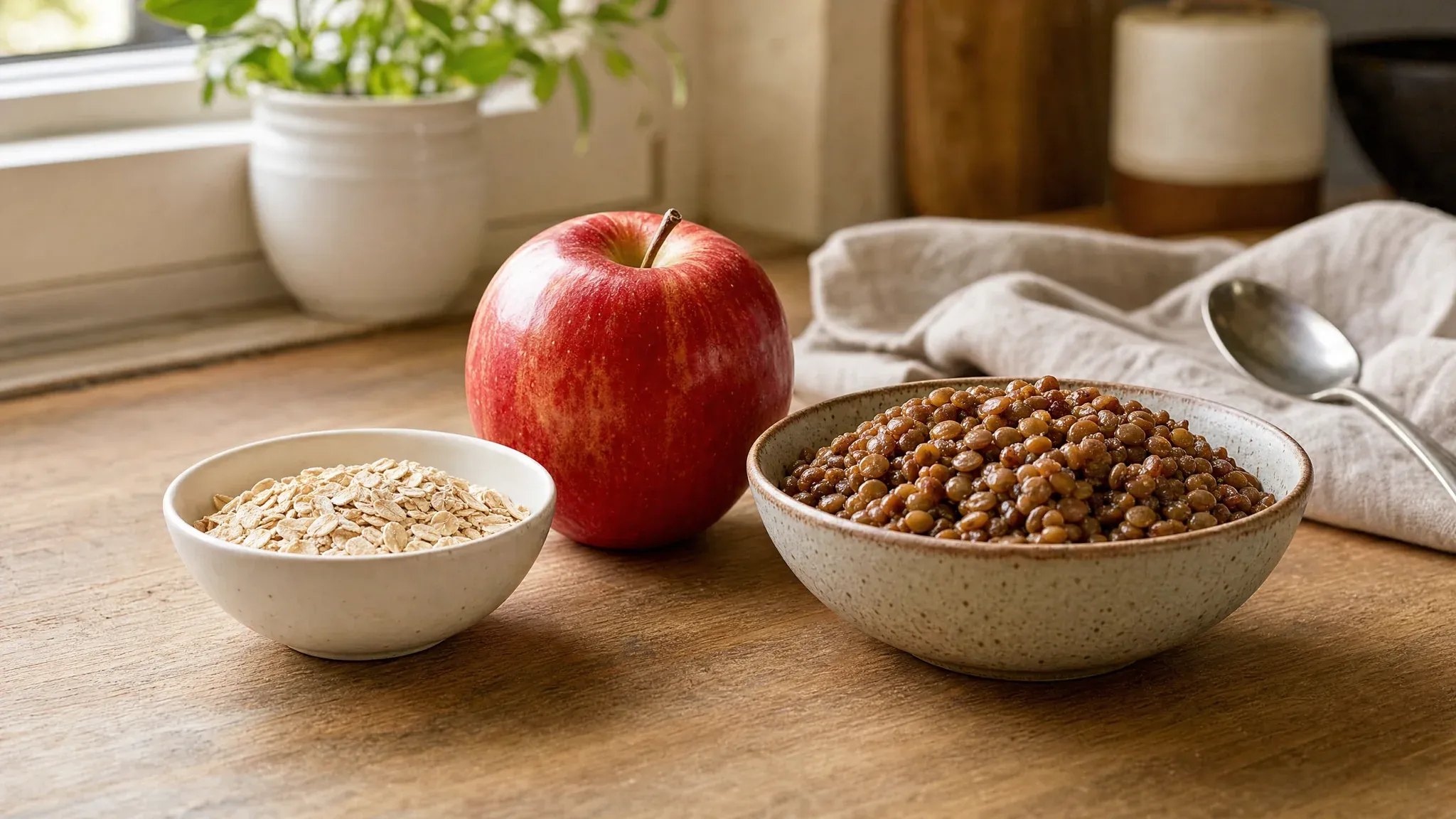
Soluble fiber foods you can buy on a regular grocery trip
Soluble fiber foods include oats, barley, beans, lentils, apples, and oranges. If you already eat toast for breakfast, try a bowl of oatmeal with chopped apple one morning. If you usually have soup for lunch, a spoonful of cooked lentils is an easy addition.
Soluble fiber dissolves in water, and some kinds form a gel. Insoluble fiber adds bulk to stool. Plenty of plant foods contain a mix of both. A grocery list with whole grains, beans, and fruit gives you several ways to get fiber without having to count the two types separately. The FDA’s dietary fiber guide explains the two types and where fiber shows up in the grocery store.
Start with oats or barley
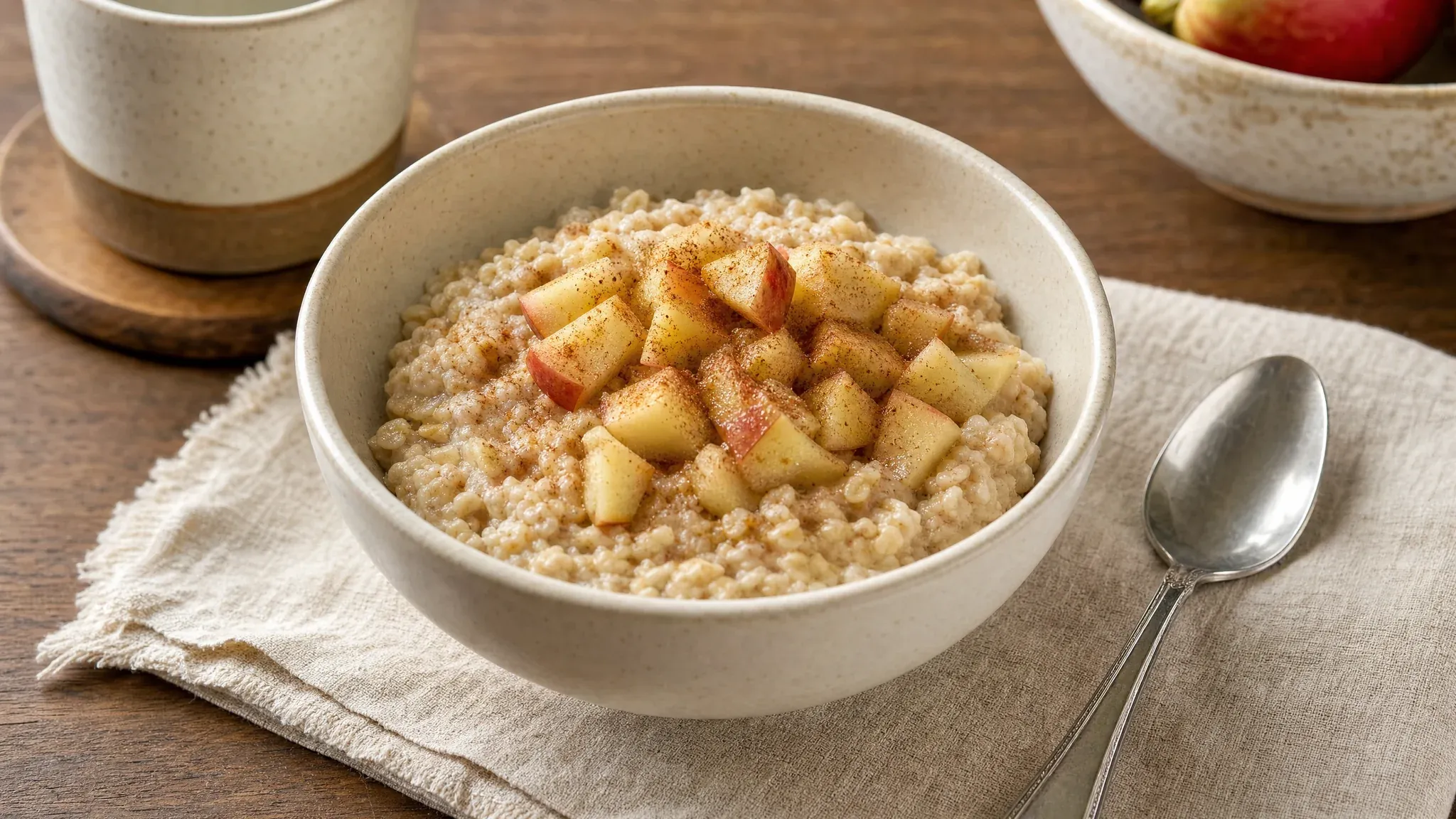
Keep plain rolled or quick oats in the cupboard for a breakfast you can make in one bowl. Try them with diced apple and cinnamon. If you prefer a softer apple, cook the pieces with the oats. For more ways to use oats and other staples, see our quick breakfast ideas.
Barley works in a savory meal. Stir cooked barley into a vegetable soup or spoon it under roasted vegetables. Both oats and barley contain a soluble fiber called beta-glucan. If you have celiac disease, skip barley and choose oats labeled gluten-free if oats are part of your care plan. NIDDK’s celiac disease food guide explains how to choose grains on a gluten-free diet.
Use beans and lentils in meals you already make
Keep a can of black beans or lentils near the soup in your cupboard. Drain and rinse the beans, then warm a spoonful in your usual soup. Cooked lentils also work in tomato sauce or alongside rice. If you’re watching sodium, compare the sodium on cans and look for a no-salt-added option. Our guide to canned and dried beans covers the trade-offs in cost and prep.
Apples and oranges offer another way to vary your fiber sources. Slice an apple into a bowl of oats or serve orange segments with breakfast. If you find a raw apple hard to chew, stew diced pieces until tender and spoon them over the oats.

Compare total fiber for the amount you eat
Start with the serving size on the Nutrition Facts panel. Most labels give you a number for total dietary fiber. Under the U.S. food labeling rule, some labels also show a separate line for soluble fiber. When that line is absent, use the total to compare similar products. The total includes soluble and insoluble fiber together. See our Nutrition Facts label guide.
Imagine one cereal has 6 grams of fiber per cup and another has 4 grams per half cup. If you pour half a cup of each, the first gives you 3 grams and the second gives you 4 grams. The second cereal has more total fiber for the portion you eat. These numbers are a worked example. Use the amounts on your own boxes, and check added sugars if you’re choosing a cereal for everyday breakfasts.
Change one meal at a time
Suppose your lunch is a bowl of vegetable soup. Start by stirring in a spoonful of cooked lentils. Keep the rest of lunch familiar. After a few meals, if the change feels comfortable, add a little more or try oats at breakfast on a different day. NIDDK’s fiber and fluids guidance recommends increasing fiber gradually and getting enough fluids to help it work.
Follow your existing instructions if your care team has set a fluid limit or prescribed a low-fiber diet. If constipation is what led you here, see constipation in seniors for help deciding when to seek care.
Frequently asked questions
Do I need a separate daily goal for soluble fiber?
The U.S. Nutrition Facts label uses a Daily Value for total dietary fiber. For grocery shopping, start with that line and vary your foods. See the FDA’s Daily Values reference.
Do plain quick oats still contain soluble fiber?
Yes. Plain quick oats are made from oats, which contain beta-glucan. Package serving sizes and other ingredients can differ, so compare labels if you’re deciding between boxes. See the FDA’s oat and barley fiber rule.
Do I need to cook beans from dry to get fiber?
Canned beans contain fiber, too. Choose the form you can use regularly, and compare the sodium on the cans you buy. See our lower-sodium grocery guide for help comparing cans.
Should I add several high-fiber foods at once?
Start with one change and see how you feel. A bowl of oats or a few extra lentils in your soup is enough to start. The NIDDK guidance on adding fiber recommends adding it a little at a time.