
Reading
Low-Sodium Foods: A Grocery Guide After 60
Compare sodium on the foods you already buy, from bread and soup to canned beans, frozen vegetables, and sauces.
Where to find low-sodium foods in the grocery store
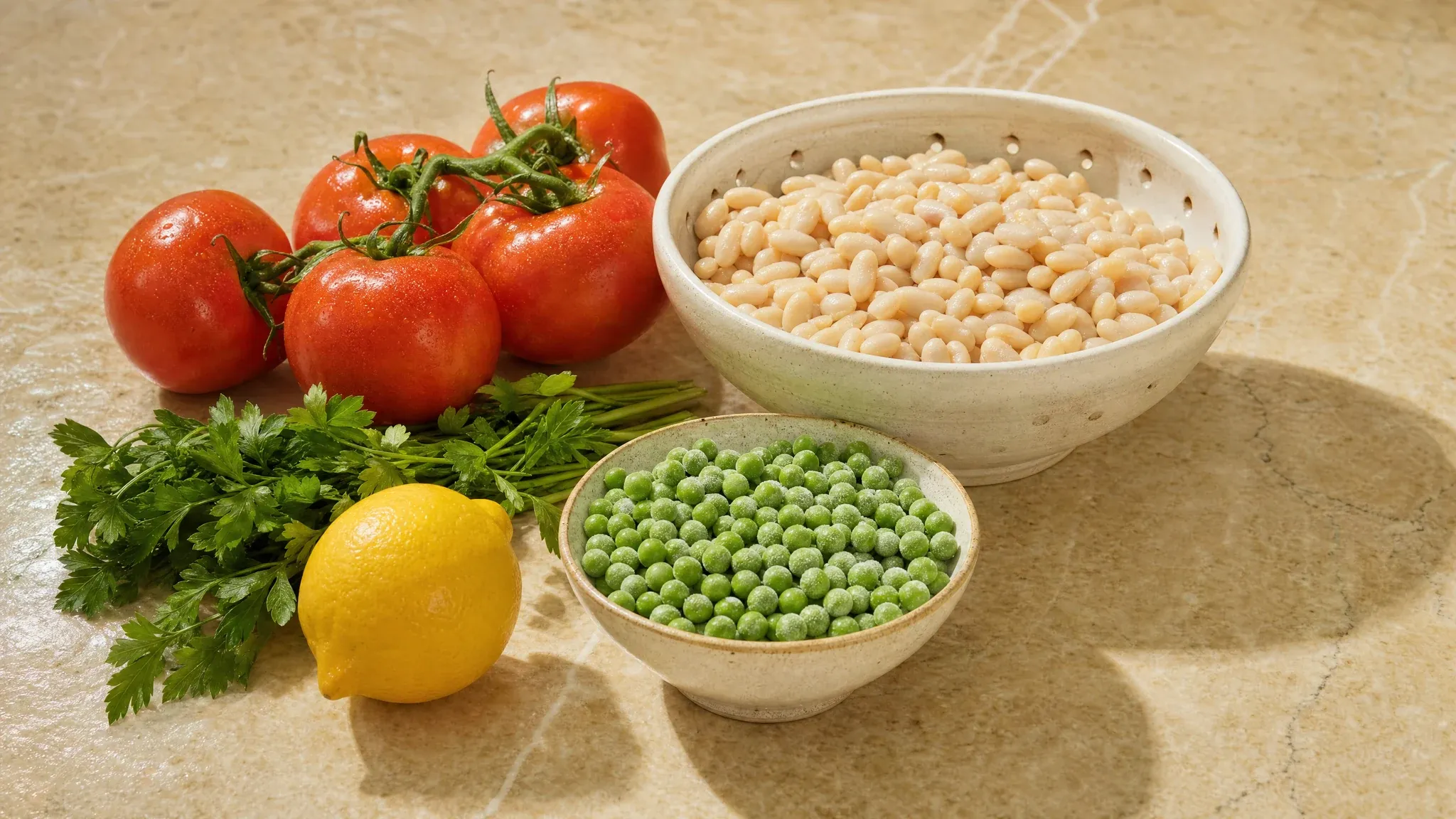
Low-sodium foods can be as simple as a bag of plain frozen peas or a can of beans labeled “low sodium.” The quickest way to put together a grocery list is to pick one packaged food you eat regularly and compare two versions. Bread, canned soup, and pasta sauce are good places to start because it’s easy to compare them right on the shelf.
Keep the groceries you already know how to use. If you like adding canned tomatoes to soup, look for a no-salt-added can and check the label. If you buy frozen vegetables, look for a plain bag and season what you cook. The federal MyHealthfinder shopping list has ideas for each aisle.
Build a cart around foods you’ll actually cook
In the pantry aisle, try plain rice or oats and compare canned beans by sodium per serving. You can drain and rinse canned beans to wash away some sodium. Check whether the label gives the sodium for drained beans or for the product as packaged before you compare brands. Our canned and dried bean guide covers how the two fit into different meals.
At the freezer, check plain broccoli, peas, or spinach against the versions with sauces and seasoning packets. In the meat case, look for unseasoned options and check whether the label lists an added salt solution. The CDC’s grocery shopping tips explain where those differences show up.
Compare the serving you’d actually eat
Start with serving size, then look for the sodium line. Say two soups list 390 and 280 milligrams per cup. If you plan to eat a cup and a half, that’s 585 and 420 milligrams, respectively. Those are sample numbers. The same comparison works for bread when one package lists one slice and another lists two.
The percent Daily Value next to sodium is another way to scan the shelf. The FDA uses 5 percent or less as a general cue for low and 20 percent or more for high. Use the milligrams when you want to compare portions directly. Our Nutrition Facts label guide shows where to find both numbers.
Bring flavor back at the table
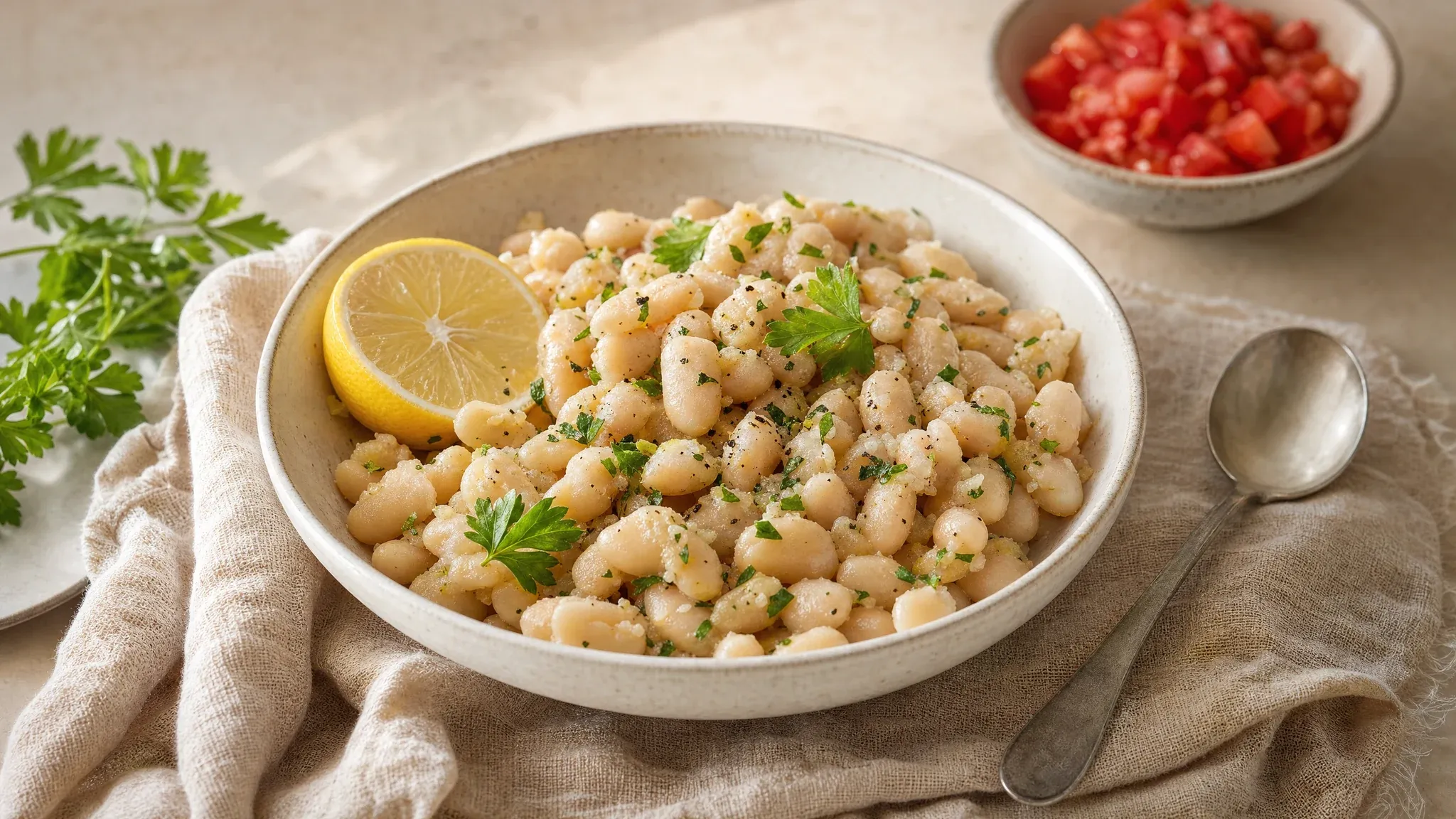
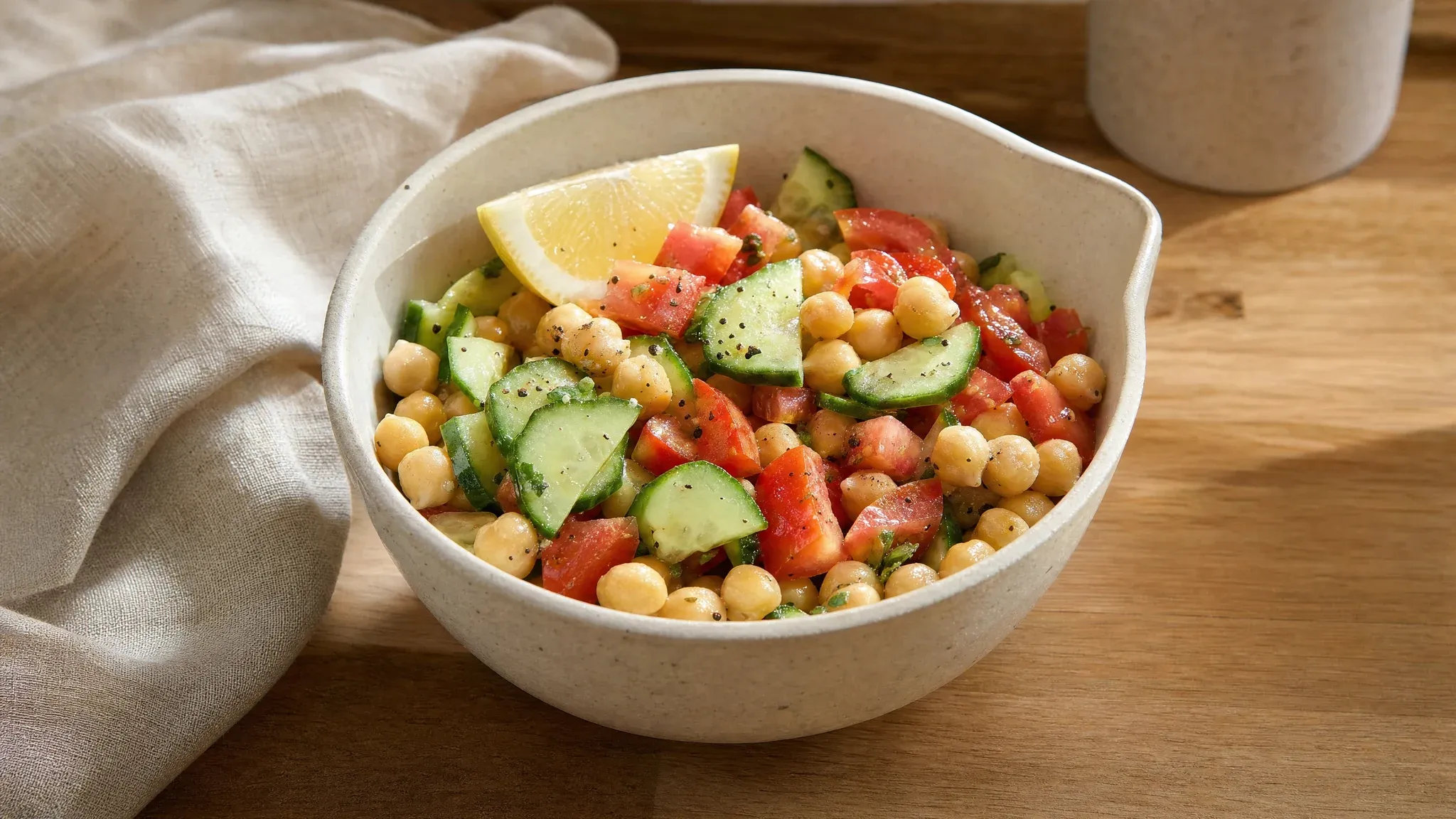
Try one quick lunch from the foods already in your cart. Toss rinsed chickpeas with chopped tomato and cucumber, then add lemon juice, olive oil, and parsley. Add more lemon or a splash of vinegar after tasting. If you prefer a warm lunch, stir white beans into plain tomatoes with garlic and black pepper.
For a grain bowl or side dish, use plain vegetables and season just the portion you’re eating. Chopped herbs, a squeeze of lime, or a pinch of smoked paprika work with many fresh and frozen vegetables. If your clinician gave you a sodium limit, use that plan when you decide what fits.
Frequently asked questions
What does “low sodium” mean on a food package?
For many individual foods, “low sodium” means 140 milligrams or less in the amount people typically eat at one time. The FDA’s labeling rules use a separate cutoff by weight for meals and main dishes. Use the Nutrition Facts panel to see the sodium in the portion you plan to eat.
Does “reduced sodium” mean the same thing as “low sodium”?
“Reduced sodium” compares the food with a reference product, often its regular version. The reduction must be at least 25 percent, so a reduced-sodium product can still have more sodium than one labeled low sodium. The FDA’s sodium label guide explains both claims.
Can a “no salt added” product still contain sodium?
Yes. It means the maker added no salt during processing. Ingredients can still supply sodium, so check the Nutrition Facts panel for the total. The FDA’s guide to sodium claims explains the distinction.
Does rinsing canned beans remove all the sodium?
Rinsing can remove some sodium. The amount left can vary, so use the label to choose a lower-sodium can and rinse the beans if the recipe allows. MyHealthfinder’s shopping list suggests this approach for canned beans and vegetables.