
Reading
Canned Beans vs. Dried Beans: Nutrition, Cost and Cooking Effort
Compare canned beans vs dried beans by cooked portions, sodium, usable cost and cooking effort, with practical kidney-bean and leftover safety checks.
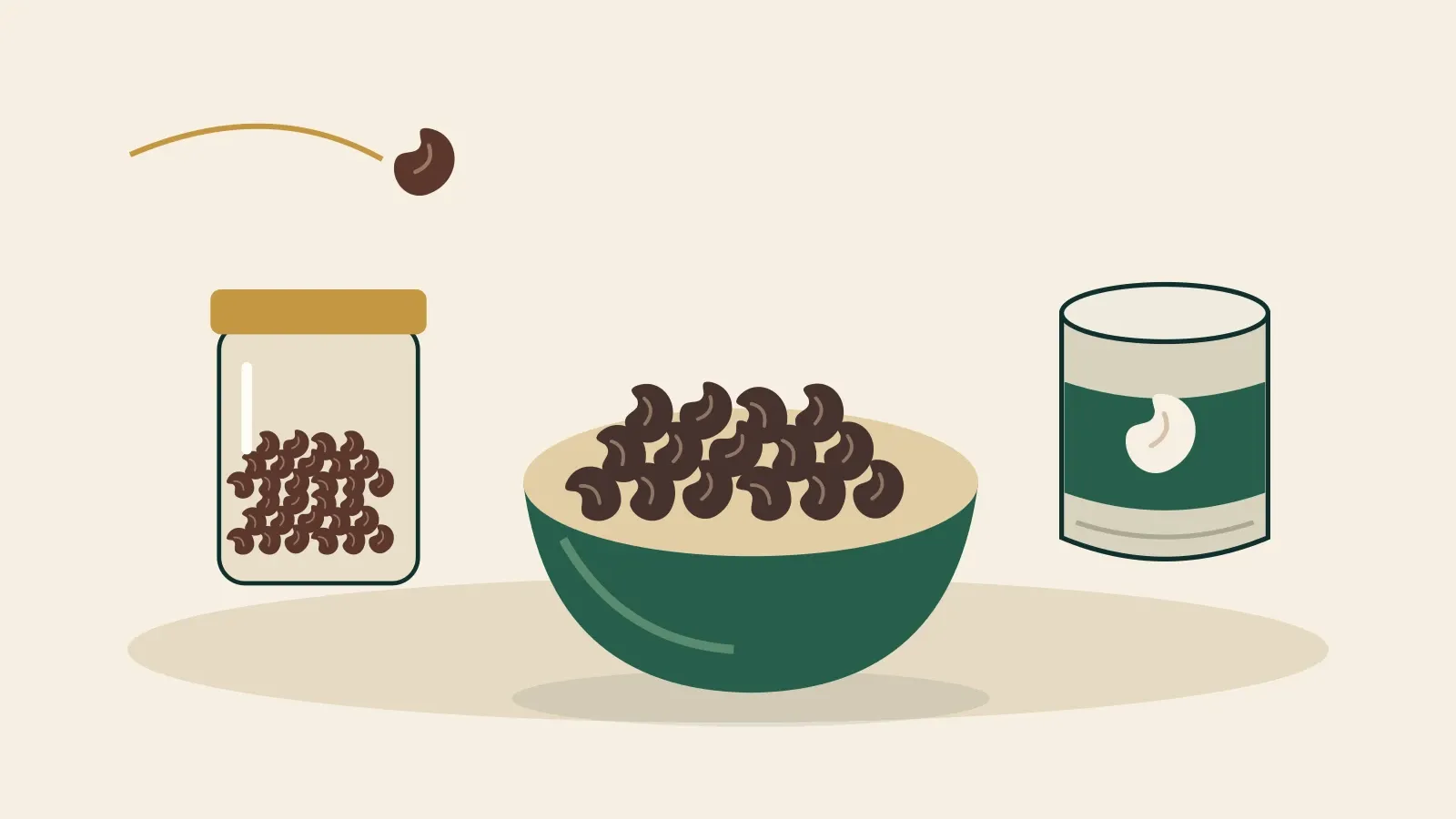
Choose the form that fits your day
Canned beans vs. dried beans is a choice about preparation as much as nutrition. A can can help you put dinner together when standing at the stove feels like too much. A bag gives you control over a batch, including how you season and portion it.
Neither deserves an automatic “better” label. Compare the same kind of bean, the amount you will eat after preparation, and the work involved. Then check the sodium and decide what you can realistically store and use.
This guide is general food education, not a treatment plan. If you have a prescribed eating plan, use it when choosing portions and ingredients.
Canned beans vs. dried beans: compare them after cooking
A spoonful of dry beans and a spoonful of cooked beans are different starting points. Dry beans take up water during preparation. A canned product also includes liquid, which you may keep or drain depending on the recipe.
For a useful nutrition comparison, choose one variety, such as black beans, and compare cooked edible amounts. Read whether a label or food-data entry describes dry, cooked, drained, or undrained beans. Do not compare a dry-weight value with a cooked-weight value and conclude that canning removed most of a nutrient.
Beans can contribute protein and fiber in either form, but the exact amounts depend on the product and preparation. HHS includes both dried and canned beans among its shopping options. A plain bean and a bean in a sweet or salty sauce also answer different questions.
Our Nutrition Facts label guide explains how to check the serving before comparing the numbers.
Check sodium before deciding to rinse
Start with the actual can. “No salt added,” “low sodium,” and “reduced sodium” have different meanings. The FDA’s sodium label definitions explain that no salt added does not necessarily mean sodium-free, while reduced sodium compares a product with its regular version.
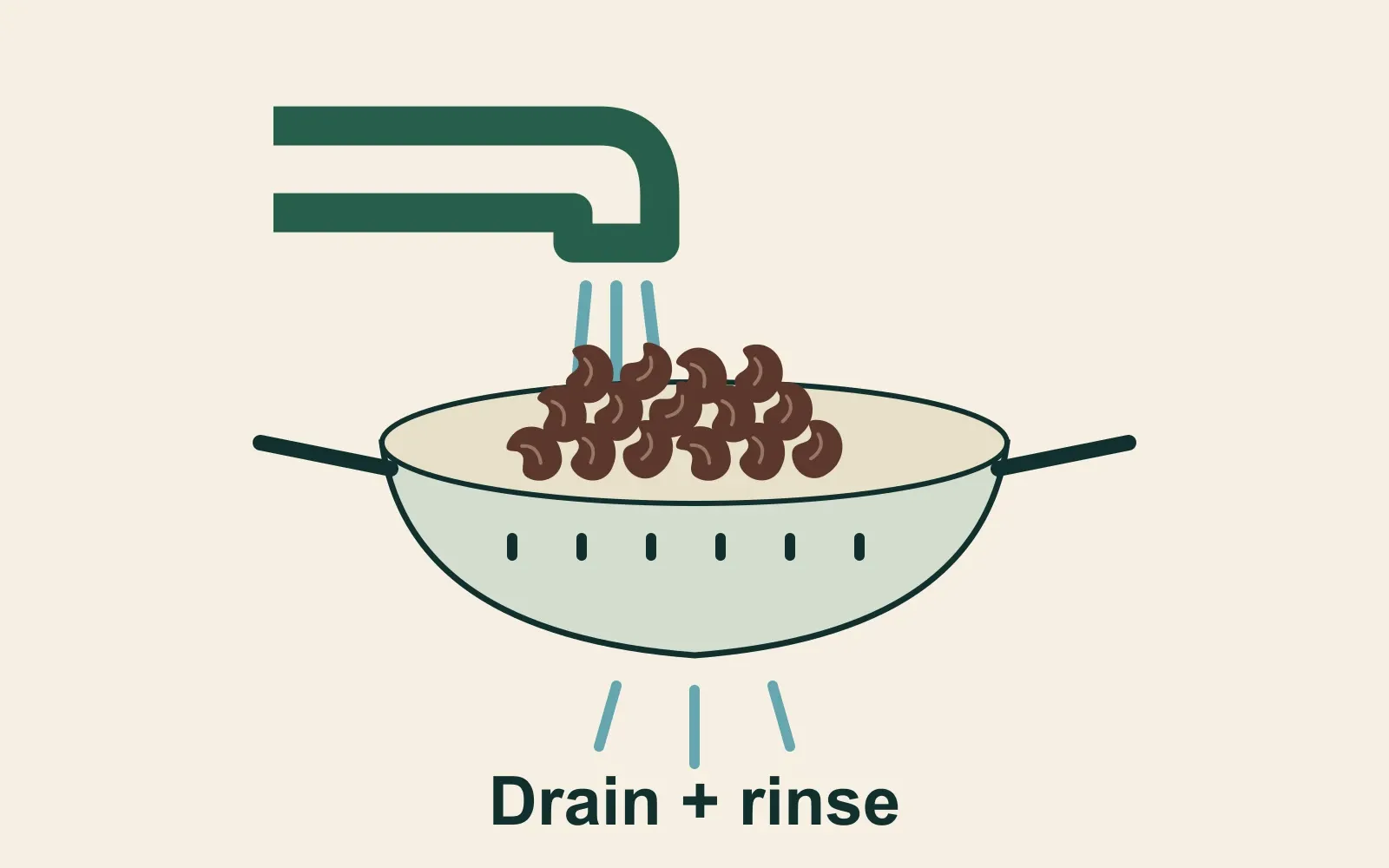
HHS recommends choosing lower-sodium canned beans and rinsing them to remove some sodium. Drain them into a colander, rinse, and let the water run away. Do not assume that rinsing gives every brand the same final sodium amount; the printed label does not become a laboratory result for your rinsed portion.
With dry beans, the finished dish also depends on what goes into the pot. Salted broth, seasoning mixes, cured meat, or sauce can change the comparison. Compare the meal you intend to make, not just the unopened packages.
Count effort as well as waiting time
Canned beans are already cooked. They can be convenient when a recipe needs only a small amount or when lifting a heavy pot is difficult. Think about whether the lid and can opener are manageable, too.
Dry beans require more planning. Colorado State University Extension’s preparation guide describes sorting, rinsing, soaking options and cooking methods. Hands-on work and total elapsed time are not the same thing: a long soak may require little attention, while a pot on the stove needs checking.
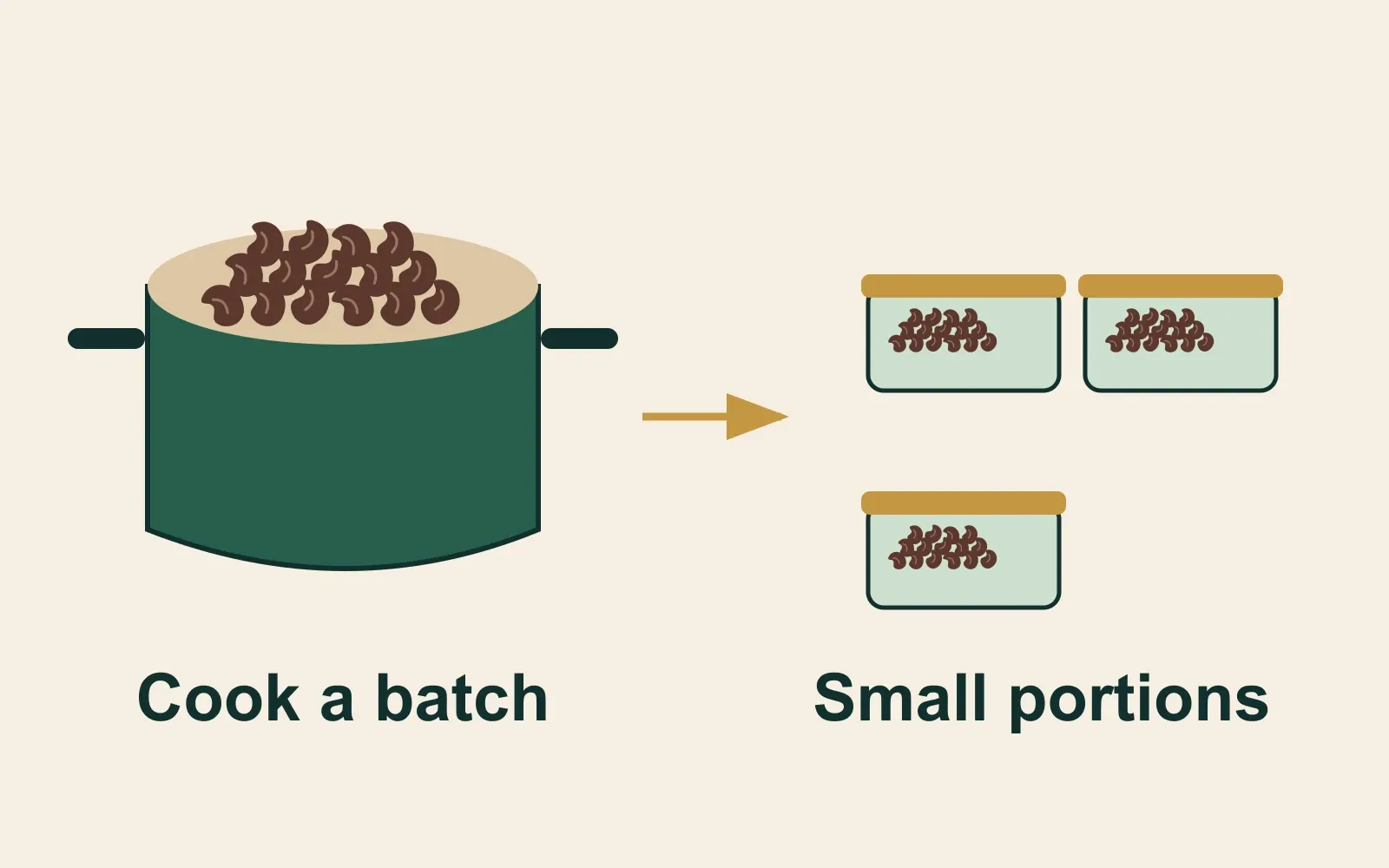
Choose a manageable batch. Cooking extra only saves effort if you can divide, cool and store it safely and will use the portions later. A small kitchen or limited freezer space may make cans more practical.
The same everyday tradeoff appears in our fresh versus frozen vegetable guide: convenience can make a food easier to use regularly.
Compare cost per usable cooked portion
A bag price and a can price do not tell the whole story. The can contains liquid; the dry beans gain water. A comparison per ounce as sold can therefore miss what reaches your plate.
For your own kitchen, divide the purchase cost by the number of equal cooked portions you actually obtain and use. For canned beans, measure after draining if that is how you eat them. For dry beans, measure the finished batch rather than relying on one universal expansion factor.
Keep the portion size consistent. Count ingredients you add and consider cooking energy, time, and waste separately. If half a batch goes unused, the cheapest package may not give you the cheapest meal.
There is no claimed current price winner here. Package size, local prices and your usable yield determine the result.
Give dry kidney beans their own safety check
Raw or undercooked kidney beans need particular care because they can contain high levels of a natural lectin. Canned kidney beans have already been processed; do not treat a raw dry bean like a canned one.
The FDA’s kidney-bean preparation guidance calls for soaking for at least 5 hours, discarding the soaking water, and boiling in fresh water for at least 30 minutes. This safety step is not a promise that every bean will be fully tender at that point. Continue preparing the beans according to appropriate instructions.
Do not rely on a slow cooker alone to prepare raw dry kidney beans. If a recipe calls for kidney beans and you want the simpler route, use commercially canned beans as directed by the recipe. Avoid tasting raw or partly cooked kidney beans to check progress.
Put the extra portions away promptly
After cooking or serving, divide leftovers into shallow containers rather than leaving a large pot out to cool. USDA’s leftover-handling guidance says to refrigerate at 40°F or below within 2 hours, or within 1 hour when the temperature is above 90°F.
Use safely refrigerated leftovers within 3–4 days, or freeze for longer storage. Date the container so it is clear which batch to use first. Follow product instructions for opened cans and any dish-specific storage advice.
For your next shop, choose the form that matches the meal: a can for an easy small dish, or dry beans for a planned batch you can prepare and store safely. Keeping both is a practical option.
Frequently asked questions
These answers focus on preparation, serving comparisons and storage.
Does rinsing canned beans remove all the salt?
No. HHS recommends rinsing to remove some sodium. Choose the product by its label first, and do not assume a fixed reduction or a sodium-free result.
Can raw dry kidney beans go straight into a slow cooker?
Do not rely on slow cooking alone. Follow the FDA’s soaking and boiling guidance for dry kidney beans, or use commercially canned beans as the recipe directs.
How should I compare dry-bean and canned-bean servings?
Match cooked edible portions of the same variety, and check whether each source describes drained or undrained food. The label’s serving amount is the starting point; equal package weights do not necessarily mean equal prepared portions.
Can I freeze cooked beans for another day?
Yes. USDA advises freezing leftovers for longer storage. Divide them into shallow containers, cool and store them promptly, and label the date. Freeze portions you can realistically use.
Keep exploring.
Read · Food Facts
Dairy Milk vs. Almond Milk After 60: What to Compare on the Label
Compare milk vs almond milk using actual US labels. Check protein, calcium, vitamin D, added sugars and allergens before choosing your everyday drink.
Read article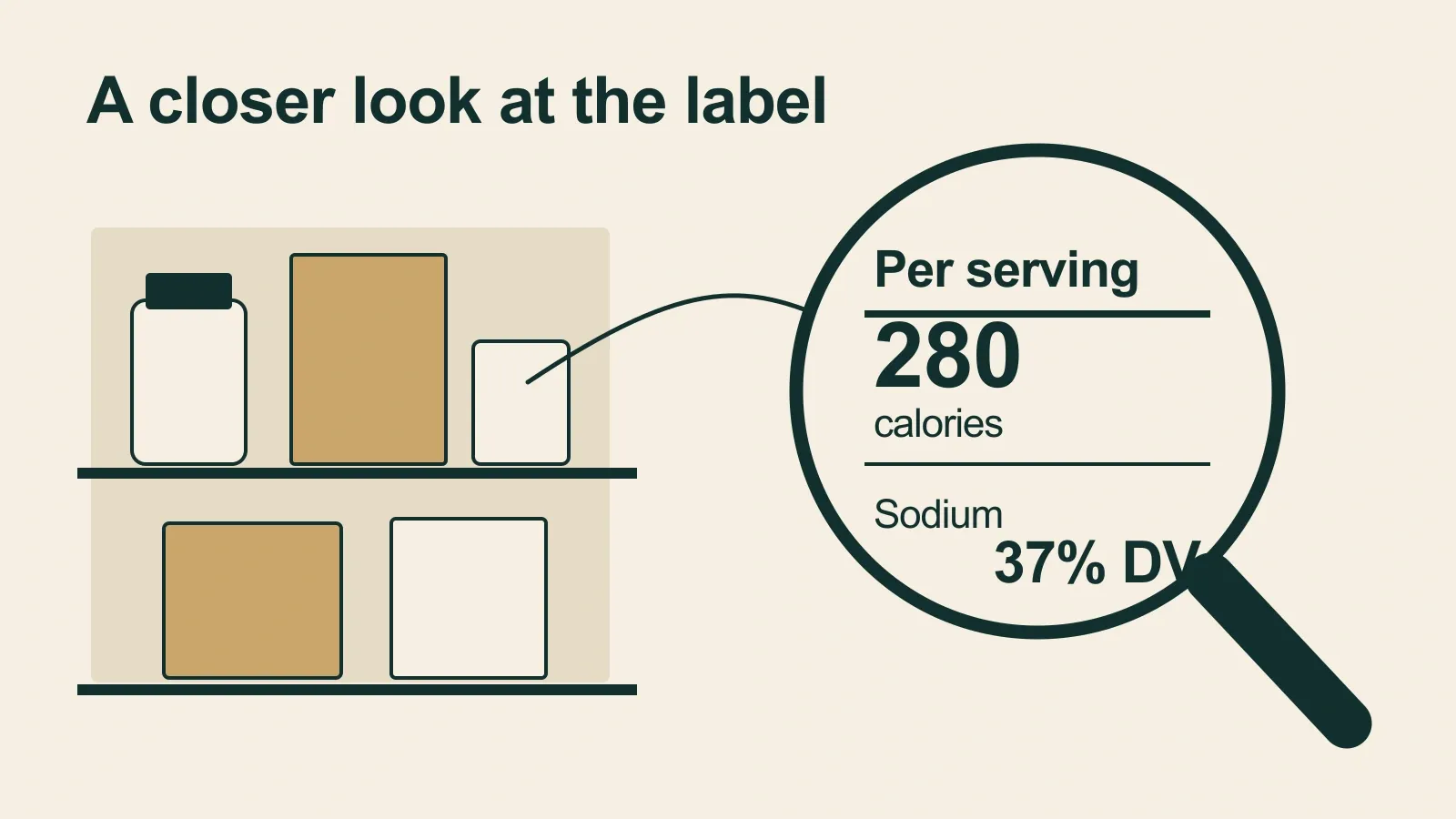
Read · Food Facts
How to Read a Nutrition Facts Label: A Clear Guide After 60
Read serving size and % Daily Value, then compare two actual soup labels on the same basis.
Read article