
Reading
Quick and Healthy Breakfast Ideas After 60
Five simple breakfasts for mornings when you want something you can make ahead, put together without cooking, or serve warm.
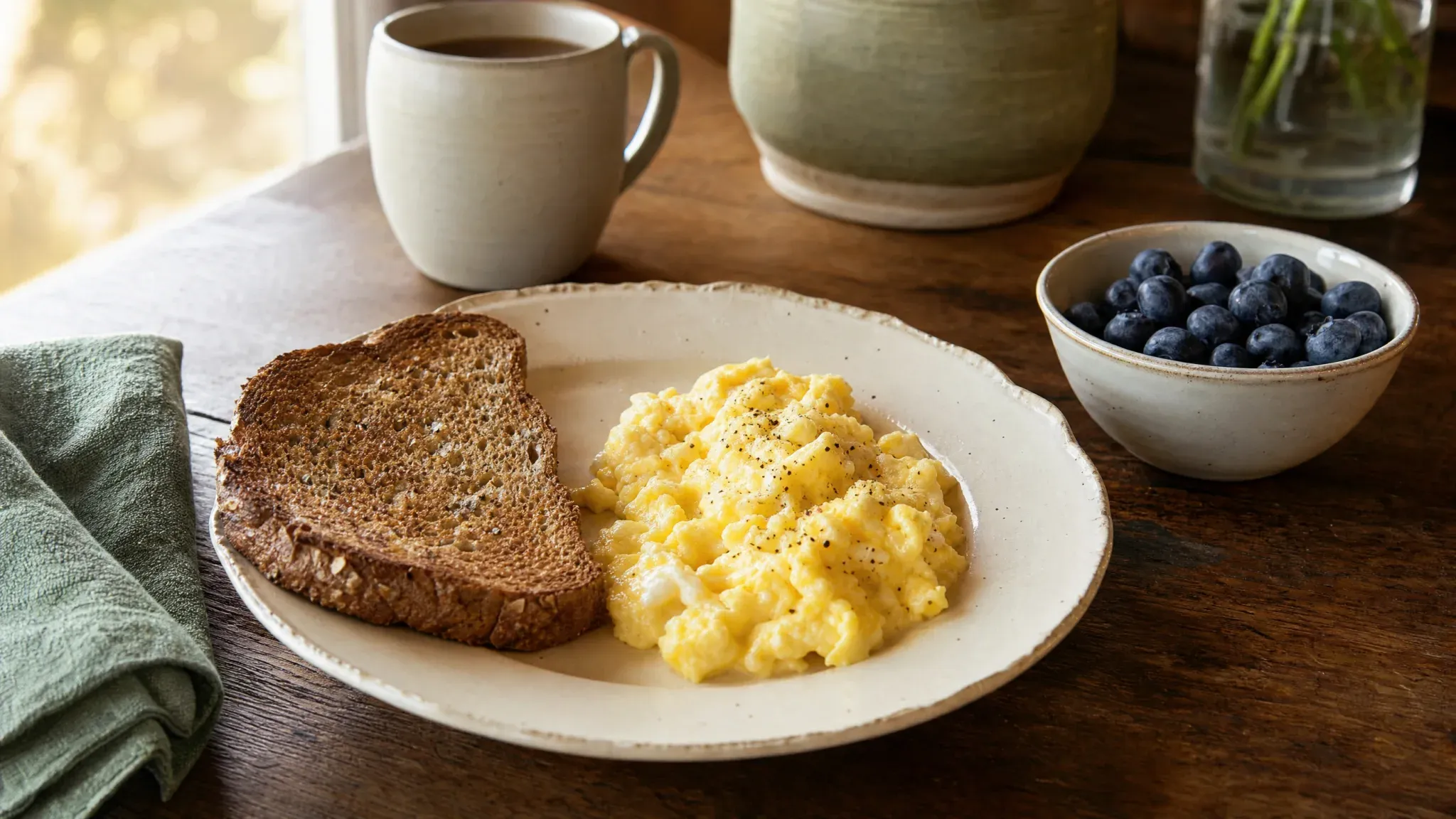
Quick and healthy breakfast ideas for different mornings
On a morning when you’d rather sit down than stand at the stove, it helps to have two quick and healthy breakfast ideas in mind. One can be ready when you open the refrigerator. The other can come from the toaster and a couple of things you already have on hand. If you feel like cooking, eggs, toast, and fruit can make a warm plate without much chopping.
Think about what you usually have around. A whole grain, something with protein, and a fruit or vegetable give you a few ways to build a breakfast. Rutgers Cooperative Extension’s breakfast guide has examples for both savory and sweet mornings. Use your appetite to decide how much to serve.
Make the oats the night before
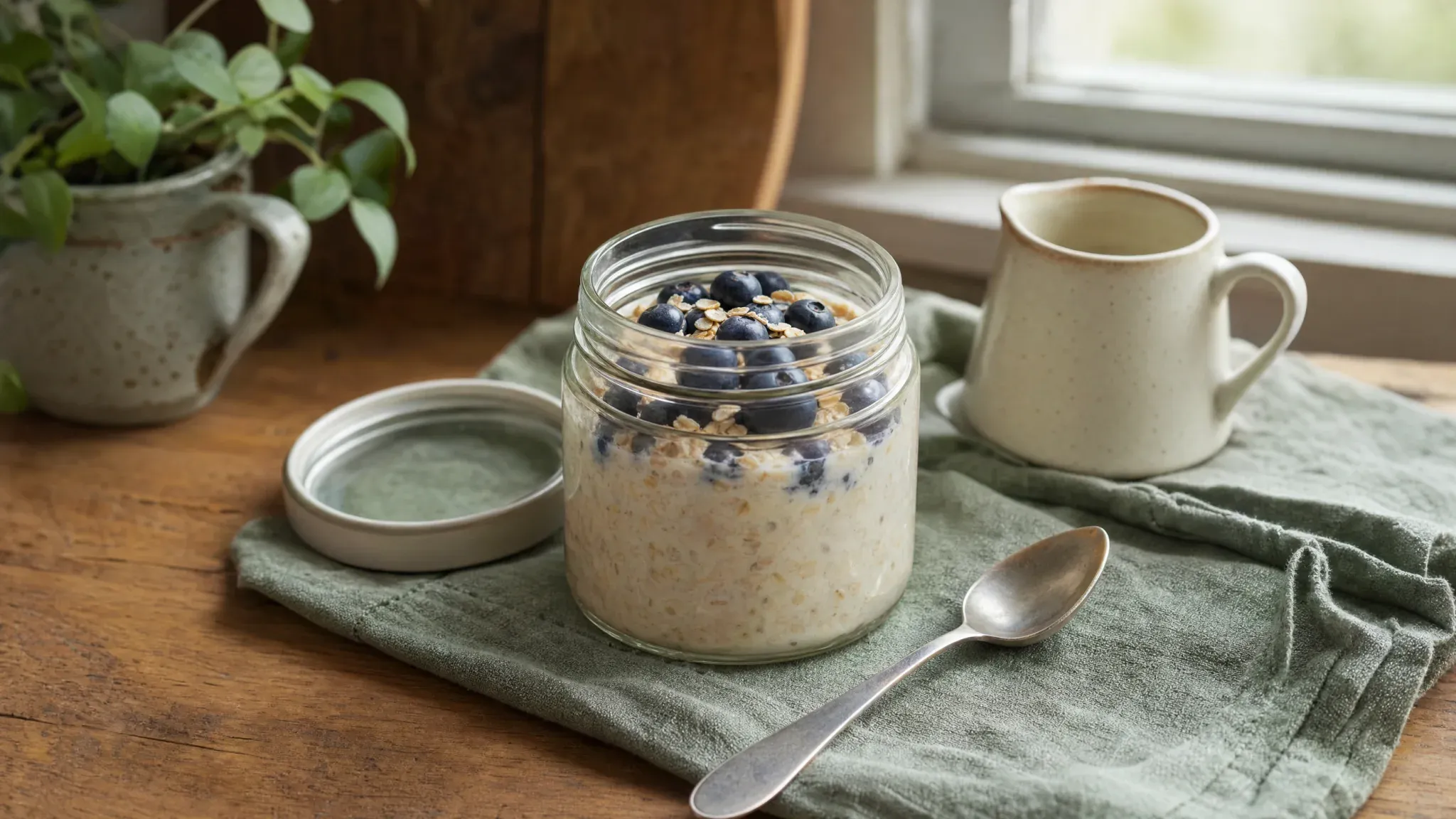
For blueberry overnight oats, stir rolled oats, pasteurized milk, and plain yogurt together in a bowl or jar. Add washed blueberries, cover, and refrigerate overnight. In the morning, stir and add a splash of milk if you want the oats looser. The Oregon State University Extension recipe gives measured amounts if you want a starting point.
Set the spoon beside the jar before you go to bed, and leave the jar where you can see it when you open the refrigerator. If you’re out of blueberries, a few spoonfuls of drained canned peaches or a sliced ripe banana can change the flavor without changing the rest of the breakfast.
Keep two breakfasts that take almost no cooking
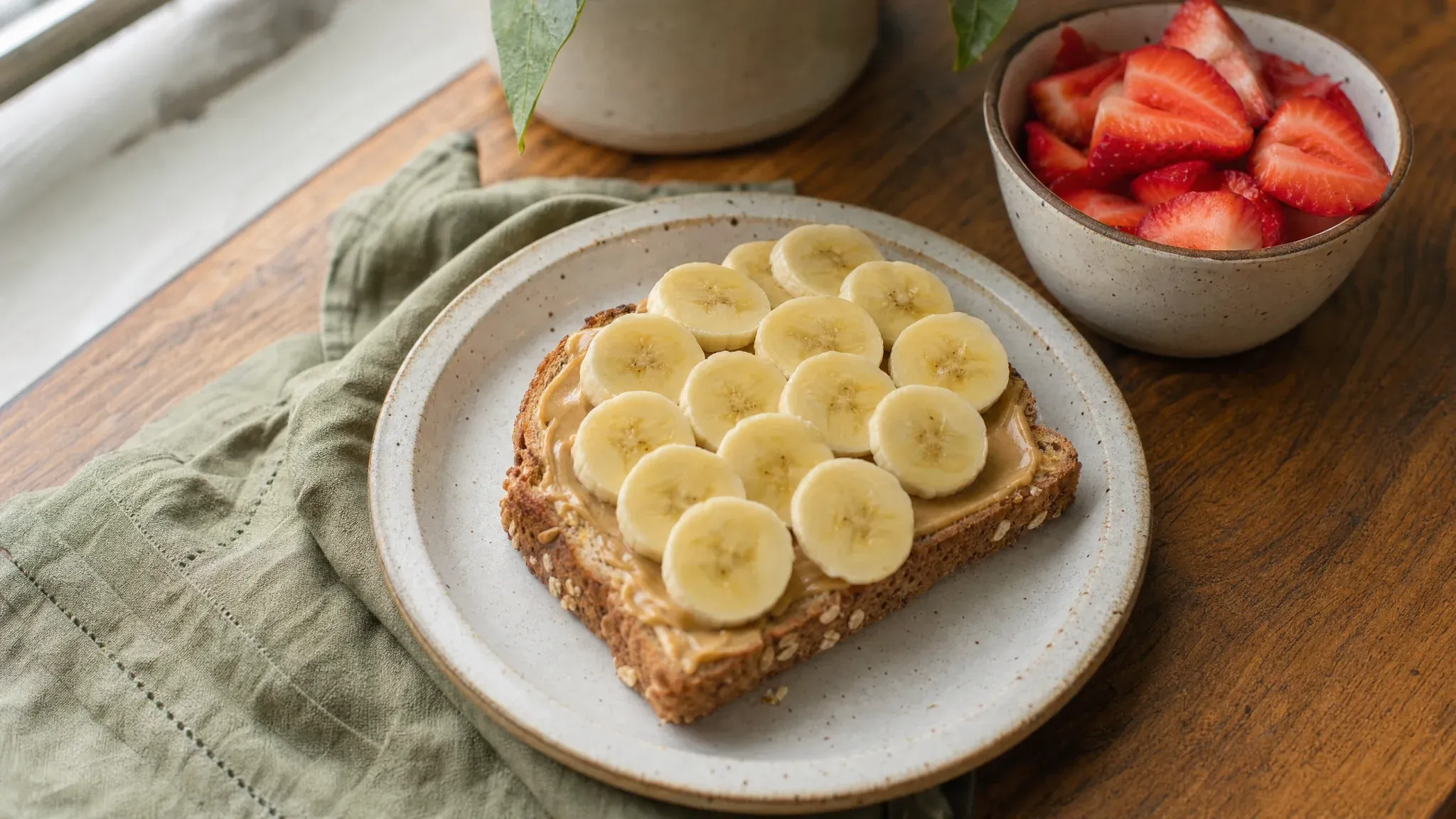
Peanut butter and banana toast. Spread smooth peanut butter on whole-grain toast and add sliced banana. Serve it with berries if you have them. If you avoid peanuts, use a spread you already know is safe for you. Our bread label guide shows where to look for whole-grain ingredients.
Cottage cheese and fruit. Spoon pasteurized cottage cheese into a bowl and add sliced ripe pear or drained peaches packed in juice. Have a slice of toast with it if you’re hungry. A few spoonfuls of cottage cheese are easier to use up if you can also work them into tomorrow’s breakfast or lunch.
When you want something warm
Scrambled eggs, toast, and berries. Start the toast while the pan warms. Scramble the eggs until they’re firm and serve with a small bowl of washed berries. The federal food safety guide for older adults explains why fully cooked eggs are the safer choice.
Savory beans on toast. Warm a few spoonfuls of drained canned white beans with a splash of water. Mash them lightly with a fork, season with black pepper, and spread them on toast. If you have a tomato to use, add a few washed slices on top. Our canned bean guide has tips for comparing sodium and storing the rest of the can.
If you want to shop for fewer ingredients this week, choose two breakfasts with something in common. One loaf of bread and one fruit can work with both the eggs and the peanut butter. A carton of plain yogurt can go into oats one morning and a fruit bowl the next.
Frequently asked questions
What breakfast can I make the night before?
Try overnight oatmeal. Mix the oats with milk and yogurt, cover, and keep the jar in the refrigerator until morning. Add sliced banana in the morning if you prefer it freshly cut.
Can I use frozen fruit for overnight oats?
Yes. Oregon State University Extension’s recipe notes include frozen fruit. Check the package before adding it directly and follow any cooking directions. If the berries are suitable to use without cooking, add them the night before so they can thaw in the refrigerator.
What’s a quick savory breakfast without eggs?
Try warm mashed beans on whole-grain toast or use beans in a small tortilla. With packaged beans, check the serving size and sodium on the Nutrition Facts label.
Can I take a yogurt or oat breakfast with me?
Yes. For a breakfast that needs refrigeration, use an insulated bag with two cold sources, such as a gel pack and a frozen bottle of water. Put it in a refrigerator when you arrive if you won’t be eating it right away.