
Digestion & fiber
Constipation in Seniors: When Good Advice Can Backfire
More fiber and water can help, but the cause matters. Learn what to notice after 60, when to get help, and what to ask your care team.
Start with the problem, not another remedy
If you have already added bran, carried a water bottle and tried to use the bathroom every morning, another instruction to “eat better” may not feel useful. Constipation in seniors deserves a closer look at symptoms, medicines and daily routines, rather than an assumption that everyone needs the same fix.
This guide helps you organize that conversation. It is general education, not a diagnosis or a treatment plan. Keep following prescribed care, and speak with your doctor or pharmacist before changing medicines or supplements.
When to get medical help first
Do not wait for a food change to work if constipation comes with rectal bleeding, blood in the stool, constant belly pain, an inability to pass gas, vomiting, fever, lower back pain or unexplained weight loss. NIDDK advises seeing a doctor right away for these symptoms.
Black or tarry stool can be a sign of gastrointestinal bleeding and also needs prompt medical attention. If bleeding is accompanied by fainting, confusion or other signs of severe illness, seek emergency medical help.
If symptoms do not improve with self-care, arrange a medical appointment. Tell your clinician about a family history of colon or rectal cancer. These are reasons to get assessed, not proof of a particular diagnosis.
A daily bowel movement is not the only measure
Constipation may involve fewer than three bowel movements a week, hard or lumpy stools, painful or difficult passage, or a feeling that stool remains. Different people have different usual patterns. Frequency alone does not tell the whole story.
For example, “I go regularly, but it hurts and I feel unfinished” is useful information to bring to an appointment. So is a noticeable change from your own pattern. You do not need to force your experience into a once-a-day rule before asking for help.
Pay attention to comfort and ease as well as the calendar. A simple written description can be more helpful than calling your digestion “good” or “bad.”
Look beyond food and age
More than one cause can be present. NIDDK lists slow movement through the colon, pelvic floor problems, changes in routine, low fiber intake, dehydration and certain health conditions among possible contributors. Examples of relevant conditions include diabetes and an underactive thyroid. Getting older does not identify which cause applies to you.
Medicines and supplements also belong in the conversation. Iron, some calcium-containing antacids, narcotic pain medicines and some medicines for depression can worsen constipation. That does not mean you should stop a useful treatment.
Bring the actual bottles or a complete list, including nonprescription products. Ask the prescriber or pharmacist to review them together. A medicine review is a request for advice, not permission to skip doses while waiting for an appointment.
Add fiber gradually, rather than all at once
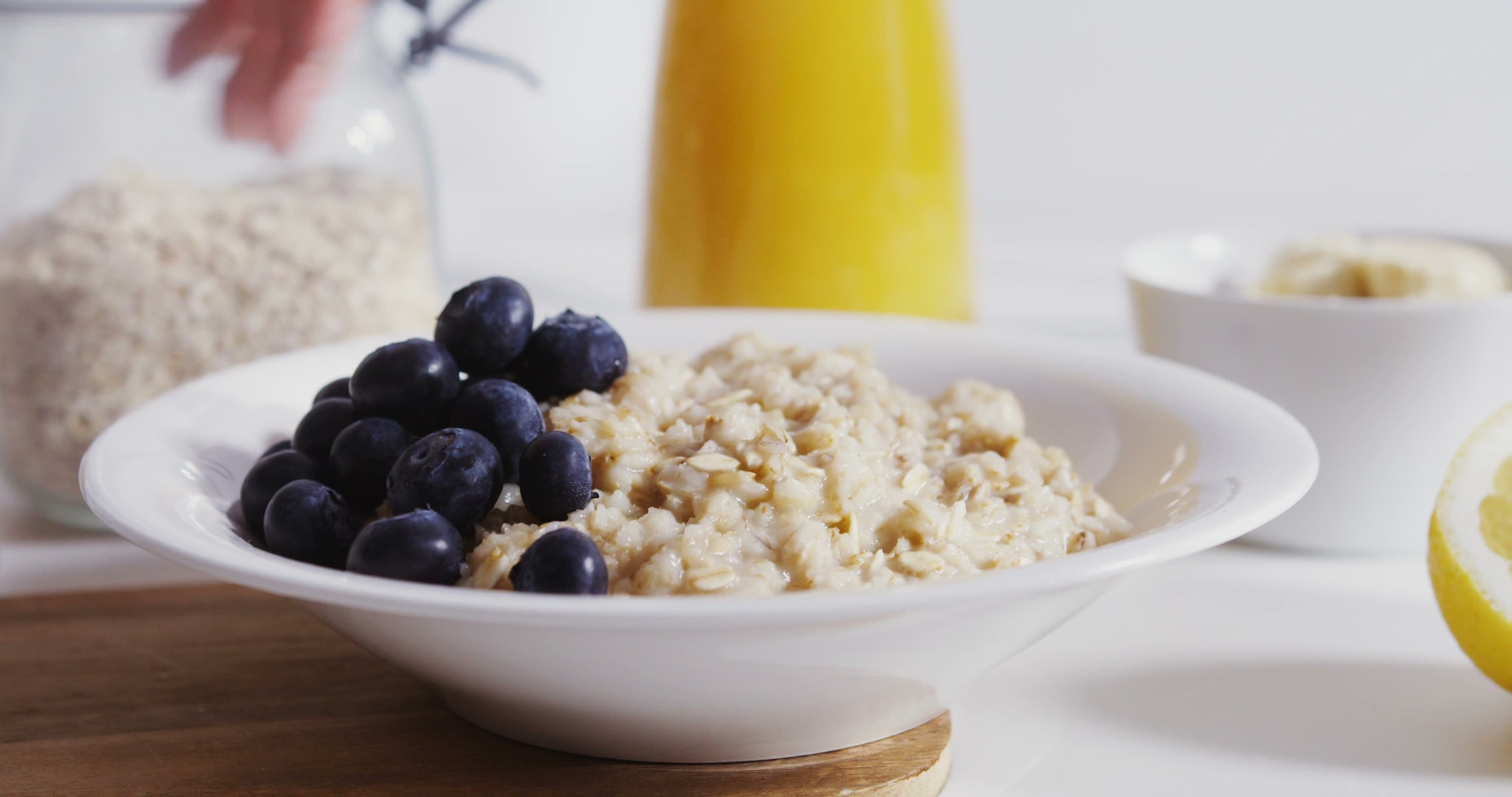
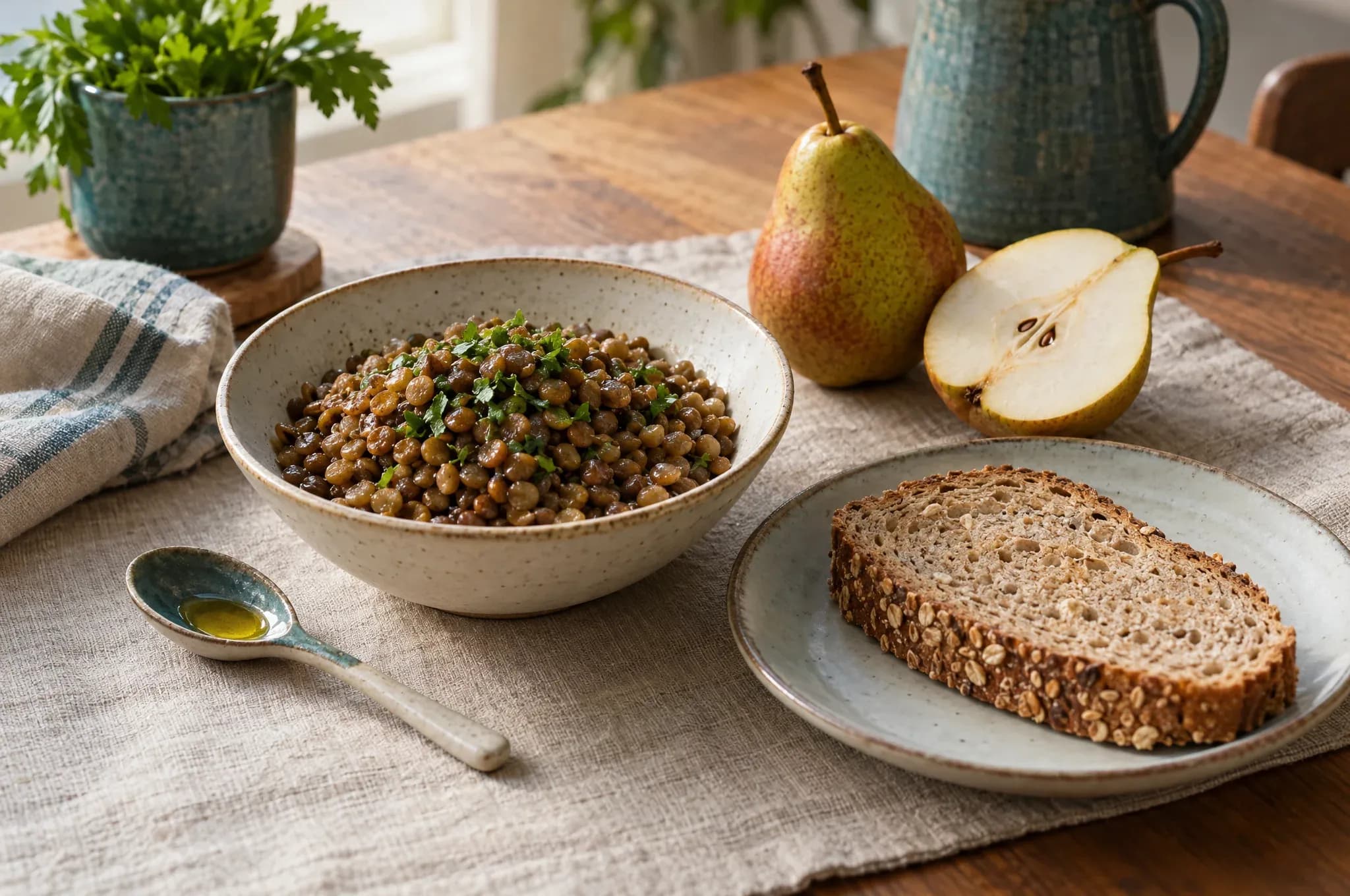
Fiber-rich foods can be a reasonable starting point when your intake is low. NIDDK includes oatmeal, whole-grain bread, beans, lentils, berries, pears and vegetables among useful choices. Add fiber little by little so your body has time to adjust.
One practical meal change might be adding a modest amount of lentils to a familiar soup, rather than starting several new cereals, fruits and supplements at once. This is an illustration of a gradual change, not a tested prescription or a guaranteed result.
Choose foods and textures that fit your existing eating and swallowing plan. If you have been told you have a bowel narrowing or have had a blockage, ask your care team before making a substantial fiber change. Keep any prescribed fluid limit in the conversation, too.
Fiber supplements need their own safety check
Psyllium is a bulk-forming laxative, not simply a food with a health halo. MedlinePlus explains that it absorbs liquid and expands. Follow the specific product directions, including the required liquid, and ask a pharmacist about your other medicines.
If you have trouble swallowing or a history of intestinal blockage, get medical advice before using it. Seek urgent help for trouble breathing or swallowing after taking a product. Do not assume that adding water makes a product suitable for every person.
A study lasting several weeks is not permission to self-treat for that long. MedlinePlus says not to use psyllium for longer than one week unless a doctor directs it. Follow your product label and seek advice when symptoms persist.
Fluids support the plan, but more is not a universal target
NIDDK recommends liquids alongside added fiber and says the appropriate amount depends on individual factors, including health and activity. It does not give every reader the same drinking target.
If a clinician has limited your fluids, keep that limit and ask how fiber fits within it. Avoid copying someone else's daily water amount from a video or a comment. The useful question is, “What amount is appropriate for me?”
Keep a note of what you usually drink so that the conversation starts with your actual routine rather than a guess.

Give your routine some room
NIDDK suggests allowing time for the bathroom, responding to the urge to go, and considering a regular opportunity after breakfast. Eating helps the colon move stool. Regular physical activity may also help. These are supportive habits, not promises that a walk or a particular bathroom schedule will solve every cause.
Choose activity that fits your abilities and any guidance you already have. Do not turn bathroom time into a daily performance test.
If you are helping someone else, ask what makes the routine difficult. Privacy, getting to the bathroom and the timing of assistance may be worth discussing. These practical questions can make the care conversation more specific without blaming the person for their symptoms.
Laxatives are not all the same
Avoid both extremes: assuming every laxative is dangerous, or assuming any product is safe to use indefinitely. The choice depends on the cause, other health conditions, current medicines and the product itself.
The 2023 joint AGA–ACG guideline supports polyethylene glycol for adults with chronic idiopathic constipation. It gives a conditional recommendation to fiber supplements, with low-certainty evidence. “Idiopathic” means there is no identified underlying cause; this guideline is not a diagnosis of your symptoms and does not cover every kind of constipation.
The guideline distinguishes ongoing treatment from short-term or rescue use. A professional recommendation for a diagnosed condition should not be substituted for the directions on an over-the-counter package. Ask which product, if any, suits you, how long to use it and when to check back.
Do not combine products, increase amounts or discontinue prescribed treatment based on a general article. If self-care is not working, the next step is an assessment, rather than an endless series of stronger home remedies.
Make the next appointment more useful
NIDDK suggests recording bowel movements and what stools look like before a visit. Your clinician may ask about duration, pain, bleeding, eating habits, activity, medicines, previous digestive surgery and family history.
A short note can include when the change began, your usual pattern, what feels different, products you tried and whether they helped or caused problems. Include any fluid restriction or swallowing difficulty. Bring the product labels if you are unsure what you have taken. Do not delay urgent care to finish a diary.
Useful questions include: Could a medicine or supplement be contributing? Is adding fiber appropriate for this situation? What fluid advice fits my health? If I need a laxative, which one and for how long? When should I contact you again?
If you are a caregiver, help record the person's own description where possible. Their discomfort and priorities deserve a place beside the numbers.

Watch the companion episode
EP08, “Constipation After 60: Even Good Advice Can Backfire,” looks at familiar beliefs about daily bowel movements, water, fiber, aging and laxatives. Use it alongside this guide to prepare questions, rather than to choose a medicine on your own.
Watch the full episode on YouTube, or use our website’s video player. This written guide keeps product-label limits beside the supplement discussion.
Frequently asked questions
These short answers can help you decide what to discuss with your care team. They do not replace advice based on your own symptoms.
How is constipation treated in older adults?
Treatment starts with the cause. For everyday constipation, a clinician may suggest gradual fiber, appropriate fluids, regular movement and time for the bathroom. A medicine review can matter too. MedlinePlus advises discussing laxatives with your provider rather than choosing them from a general guide.
How long should an older adult go without a bowel movement?
There is no once-a-day requirement. A change in your usual bowel habits deserves a conversation with your provider. If you normally go daily and several days pass, ask for advice rather than waiting for a universal deadline. Severe pain or vomiting with constipation calls for urgent medical help.
What is the best treatment for chronic constipation?
There is no single best treatment for every cause. The 2023 AGA–ACG guideline supports polyethylene glycol for diagnosed chronic idiopathic constipation; other causes need a different assessment. Ask your clinician which approach fits your health, what product directions apply and when to check back.
Is constipation in older adults dangerous?
Constipation is often brief and not serious, but that does not make every episode safe to wait out. Get help promptly for warning signs such as blood in the stool, constant belly pain, vomiting or being unable to pass gas. Persistent symptoms also need an assessment.
Prefer to watch?

Watch · Nutrition
Constipation After 60: Even Good Advice Can Backfire
A closer look at common advice about bowel habits, water, fiber, aging and laxatives. For supplement use, follow product labels and your care team’s directions.
View episodeKeep exploring.

Read · Food Facts
Frozen vs. Fresh Vegetables: Which Fits Your Kitchen After 60?
Both can be nutritious choices. Compare the labels, the preparation and the food you will actually use.
Read article