Read · Nutrition
Constipation in Seniors: When Good Advice Can Backfire
More fiber and water can help, but the cause matters. Learn what to notice after 60, when to get help, and what to ask your care team.
Read article Blessed Senior
Watch · Digestion & fiber
A closer look at common advice about bowel habits, water, fiber, aging and laxatives. For supplement use, follow product labels and your care team’s directions.

A closer look at common advice about bowel habits, water, fiber, aging and laxatives. For supplement use, follow product labels and your care team’s directions.
Transcript of EP08, from the final English captions. Product-label limits and advice tailored to you still apply; a study duration is not permission to self-treat. See the related written guide for supplement safety context.
Almost everyone over 60 has heard advice about constipation. You have to go every day. Just drink more water. More fiber is always better. It's just your age. And stay away from laxatives. Some of that is true, some of it is only half true, and one or two of those ideas can keep people uncomfortable for longer than they need to be. So today, let's put those five beliefs on trial, one at a time. For each one, you'll hear what the evidence says, how strong that evidence is, and what you can do with it.
One quick note first: this is general information, not medical advice. Please don't stop or change any medicine without talking to your doctor or pharmacist. First, a minute on what's going on inside. After food leaves your stomach and small intestine, what's left moves into the large intestine, also called the colon. There, water is absorbed, and the waste turns from liquid into stool. According to the National Institute of Diabetes and Digestive and Kidney Diseases, one common cause of constipation is stool moving slowly through the colon.
But constipation can have more than one cause at the same time. It can come from diet and daily routine. It can come from medicines. It can come from problems with the pelvic floor muscles or from conditions like diabetes, an underactive thyroid, or Parkinson's disease. So food and habits can help many people, but they aren't the answer to every cause. Keep that in mind as we go Belief number one: you have to go every day. Verdict: not true. Constipation is usually described by a few signs. Fewer than three bowel movements a week, stools that are hard, dry, or lumpy, stools that are difficult or painful to pass, or the feeling that you haven't quite finished.
There's no rule in that list that says once a day. People have different patterns, and as the NIH puts it, only you know what's normal for you. A change from your own usual pattern matters more than any fixed number. If this is something you deal with, you have plenty of company. About sixteen out of one hundred adults have symptoms of constipation. For adults sixty and older, it's about thirty-three out of one hundred. That's roughly one in three. Evidence strength: well-established Belief number two: Just drink more water.
Verdict: partly true. A review in the American Journal of Gastroenterology looked at common beliefs about constipation. It found no evidence that drinking more fluid treats constipation unless a person is dehydrated. On the other hand, fluid seems to help fiber do its job. In one Italian trial, adults with long-term constipation all ate about twenty-five grams of fiber a day for two months. Half were asked to drink two liters of mineral water a day. That group went more often and used fewer laxatives than the group who drank their usual amount, which was about one liter.
One honest caution, everyone in that study was between eighteen and fifty, so we're borrowing the result. So here's the practical version. If you're adding fiber, the NIH says to drink plenty of water and other liquids along with it, and it suggests asking a health care professional how much liquid is right for you. If you already drink well, extra water alone probably isn't the missing piece. And if your doctor has told you to limit fluids, for example, because of heart failure or kidney disease, follow that limit.
Evidence strength: early or mixed for extra water on its own. Belief number three: More fiber is always better. Verdict? Not always. Fiber helps many people, and there are two kinds doing two jobs. Soluble fiber holds on to water and softens stool. Insoluble fiber adds bulk. Fiber is most likely to help when you're not getting much of it to begin with. The NIH says adults should get about twenty-two to thirty-four grams a day, depending on age and sex, and it notes that some older adults don't get enough fiber because they may lose interest in food.
How you add it matters. The NIH says to add fiber a little at a time so your body gets used to the change. British dietitians suggest that if fiber causes bloating or gas, you increase it gradually, week by week. For fiber supplements, the 2023 guideline from the American Gastroenterological Association and the American College of Gastroenterology looked at adults with long-term constipation that has no other known cause. Of the fiber supplements studied, only psyllium appeared to help, and even that evidence is rated low certainty.
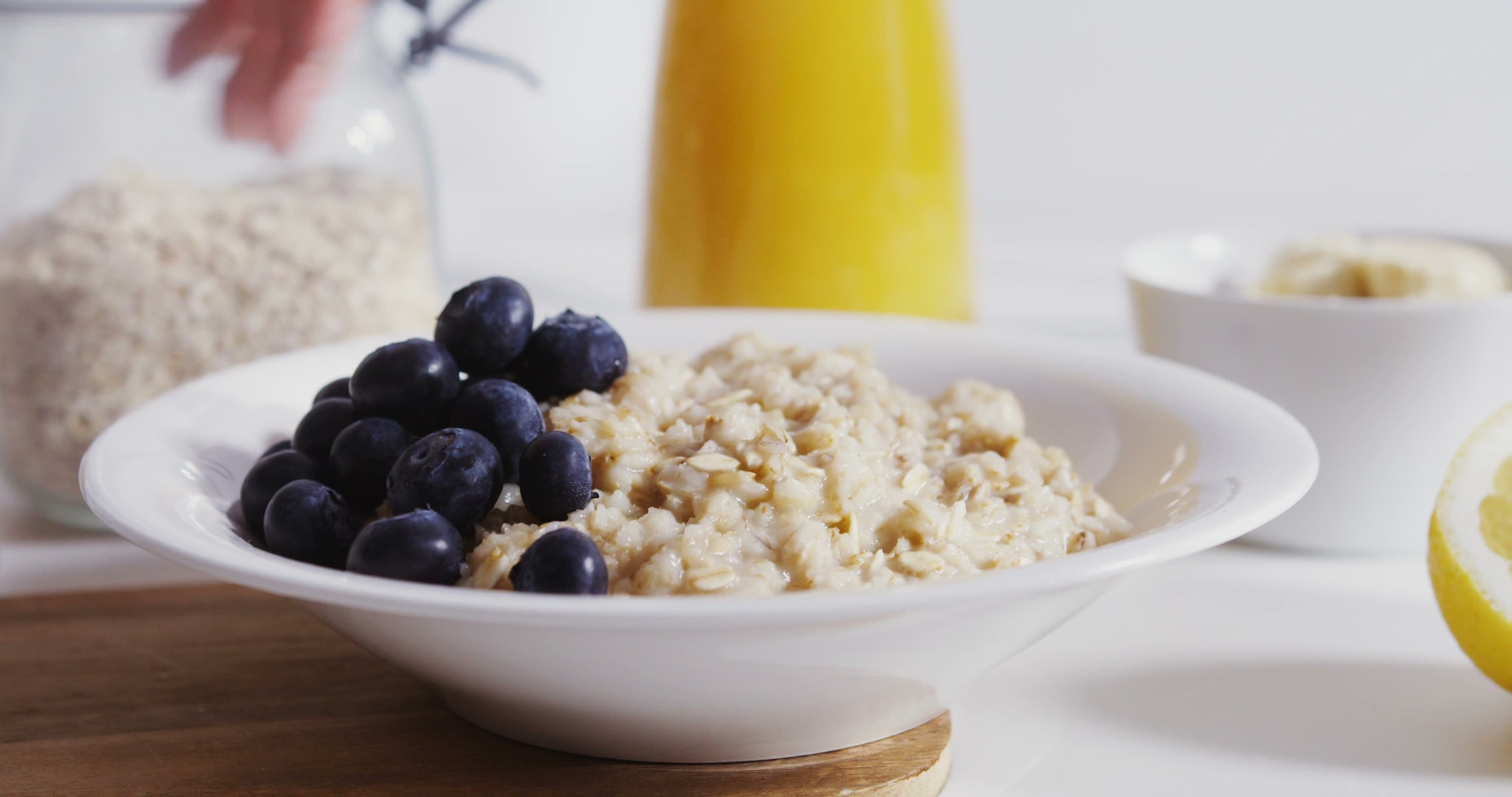
In small, older studies, roughly four more people in ten got relief compared with a placebo. Gas is a common side effect, and the guideline says to drink enough fluid with it. Give a supplement about four weeks before you judge it. For food, the NIH's list is reassuringly ordinary: oatmeal and whole wheat bread, beans, lentils, and chickpeas, berries, oranges, pears, and apples with the skin on, carrots, broccoli, and green peas, some nuts, or a smooth nut butter if chewing is hard. Two fruits have been tested more directly.
In one U.S. trial, people with chronic constipation ate either two green kiwifruit a day, about a hundred grams of prunes a day, or took psyllium for four weeks. All three groups had more complete bowel movements, and side effects were least common with kiwifruit. But that trial was small. The average participant was about forty-three, and most were women. A 2025 British review rated the evidence for kiwifruit as low and for prunes as very low, with better studies still needed. It did suggest two to three kiwifruit a day for at least four weeks as reasonable to try.
Swapping white bread for rye bread had a small effect too, close to one extra bowel movement every two weeks. Now, the times when more fiber isn't the right next step. First, severe constipation. The review of common beliefs found that many people with more severe constipation actually feel worse when they increase fiber. If fiber and over-the-counter products haven't helped or your doctor suspects a problem with the pelvic floor muscles, specialists recommend testing. Sometimes they do it before trying more fiber.
If swallowing is hard for you, be careful with fiber powders and capsules. The FDA notes that bulk fiber products like psyllium can block the throat if they're taken without enough liquid or by people who have trouble swallowing. If you've had a bowel blockage or you've been told you have a narrowing in your bowel, check with your doctor before adding a lot of fiber. And if you're on a fluid limit, ask how to fit fiber in safely. Evidence strength, early or mixed. Guidelines still suggest fiber as a reasonable first step, especially if you eat little of it.
Belief number four: it's just getting older. Verdict: not quite. Older adults are more likely to become constipated, but that doesn't make it something you simply have to accept. The NIH links constipation to things that often come with later life: medicines, health conditions, changes in routine, and not getting enough physical activity. Those are risk factors, and many of them can be worked on. Medicines are a big part of the story. The NIH lists medicines and supplements that can make constipation worse, including these: narcotic pain medicines, also called opioids; iron supplements; antacids that contain calcium or aluminum, and calcium supplements; anticholinergic medicines and some antihistamines, such as diphenhydramine; some blood pressure medicines called calcium channel blockers, such as verapamil; water pills, also called diuretics; some antidepressants; and medicines for Parkinson's disease.
If you take any of these, please don't stop them. Many of them are important. Instead, ask your doctor or pharmacist whether any of your medicines could be adding to this and whether anything can be adjusted. A doctor may change the dose or suggest a different medicine. The NIH is clear: don't change or stop any medicine or supplement without talking with a health care professional. Evidence strength: well established that these medicines can contribute. Now the everyday habits. Movement. The NIH says regular physical activity may help.
A 2019 review of nine trials, mostly walking, qigong, and other movement, found symptoms improved. But the studies had a high risk of bias, so the real size of the effect is uncertain. Evidence strength: early or mixed. A daily walk is still an easy habit to keep if your doctor says it's safe for you. Timing. Eating helps your colon move stool, so the NIH suggests trying for a bowel movement at about the same time each day. For example, 15 to 45 minutes after breakfast. Give yourself enough time and go as soon as you feel the need instead of putting it off.
Posture. The NIH also suggests relaxing or putting your feet on a footstool to make yourself more comfortable. In one study, a toilet footstool reduced straining and helped people feel more completely empty. But that study was in 52 healthy volunteers with an average age of 29, so early evidence and low cost. If your balance isn't steady, choose a wide, sturdy stool or skip it. A fall is a much bigger problem. Belief number five: laxatives are dangerous and addictive. Verdict? Not the whole story.
Laxatives are useful for many people with the right guidance and time limits. The twenty twenty-three U.S. guideline, again, for adults with long-term constipation that has no other known cause, recommends polyethylene glycol based on moderate certainty evidence. It also suggests magnesium oxide and senna, but with less certain evidence, and it recommends the stimulant laxatives bisacodyl and sodium picosulfate for short-term or rescue use, meaning daily use for up to about four weeks or now and then.
For longer-term use of stimulants, the guideline says more data are needed on tolerance and side effects. Over-the-counter labels set limits too. For example, a senna label listed by the U.S. National Library of Medicine says not to use laxative products for longer than one week unless a doctor directs. Kidney health matters here. The guideline says to avoid magnesium oxide in people with reduced kidney function because magnesium can build up, and a magnesium laxative label says to ask a doctor before use if you have kidney disease and to ask a doctor or pharmacist first if you take a prescription drug.
So this is a pharmacist or doctor conversation. Bring a list of everything you take, including vitamins and supplements. Ask which option fits you and for how long. The NIH says to use stimulant laxatives only if constipation is severe or other treatments haven't worked. And if you've used laxatives for a long time and can't go without them, talk with your doctor about how to slowly stop. Evidence strength? Good evidence for polyethylene glycol. Less certain for some of the others. Now, the most important part of this video.
Food and habits are for everyday constipation. Some situations need a doctor, and some need help right away. Get medical help right away if you have constipation with any of these: bleeding from your rectum or blood in your stool, constant pain in your belly, being unable to pass gas, vomiting, fever, lower back pain, or losing weight without trying. Also get help right away for black or tarry stool. The NIH lists it as a possible sign of sudden bleeding in the digestive tract. Make an appointment with your doctor if your constipation doesn't get better with self-care or if colon or rectal cancer runs in your family.
Bring it up too if you notice a sudden change in your bowel habits or if you've been told you have anemia. These signs don't necessarily mean you have a serious condition, but they can be signs that need prompt attention, so please don't wait them out. Let's bring it together. You don't have to go every day. Water helps most alongside fiber or when you're low on fluids. Fiber helps many people when it's added slowly, but it isn't right for every kind of constipation. Medicines are often part of the story, and laxatives can be a useful tool with the right guidance and time limits.
If you'd like a place to start, here are three questions to bring to your next appointment or to the pharmacy counter. One, could any of my medicines or supplements be adding to my constipation? Two, how much fiber and fluid is right for me with my other health conditions? Three, if I need a laxative, which one is safest for me, and for how long? If this was useful, subscribing helps you find the next one. And I'd like to know in the comments, which of these five beliefs had you heard most often?
Take good care
Read · Nutrition
More fiber and water can help, but the cause matters. Learn what to notice after 60, when to get help, and what to ask your care team.
Read article