
Reading
Vitamin B12 Foods After 60: What to Look For
Compare vitamin B12 foods like salmon, milk, and eggs. Learn how to check fortified cereal and plant beverages for added B12 and compare amounts by serving.
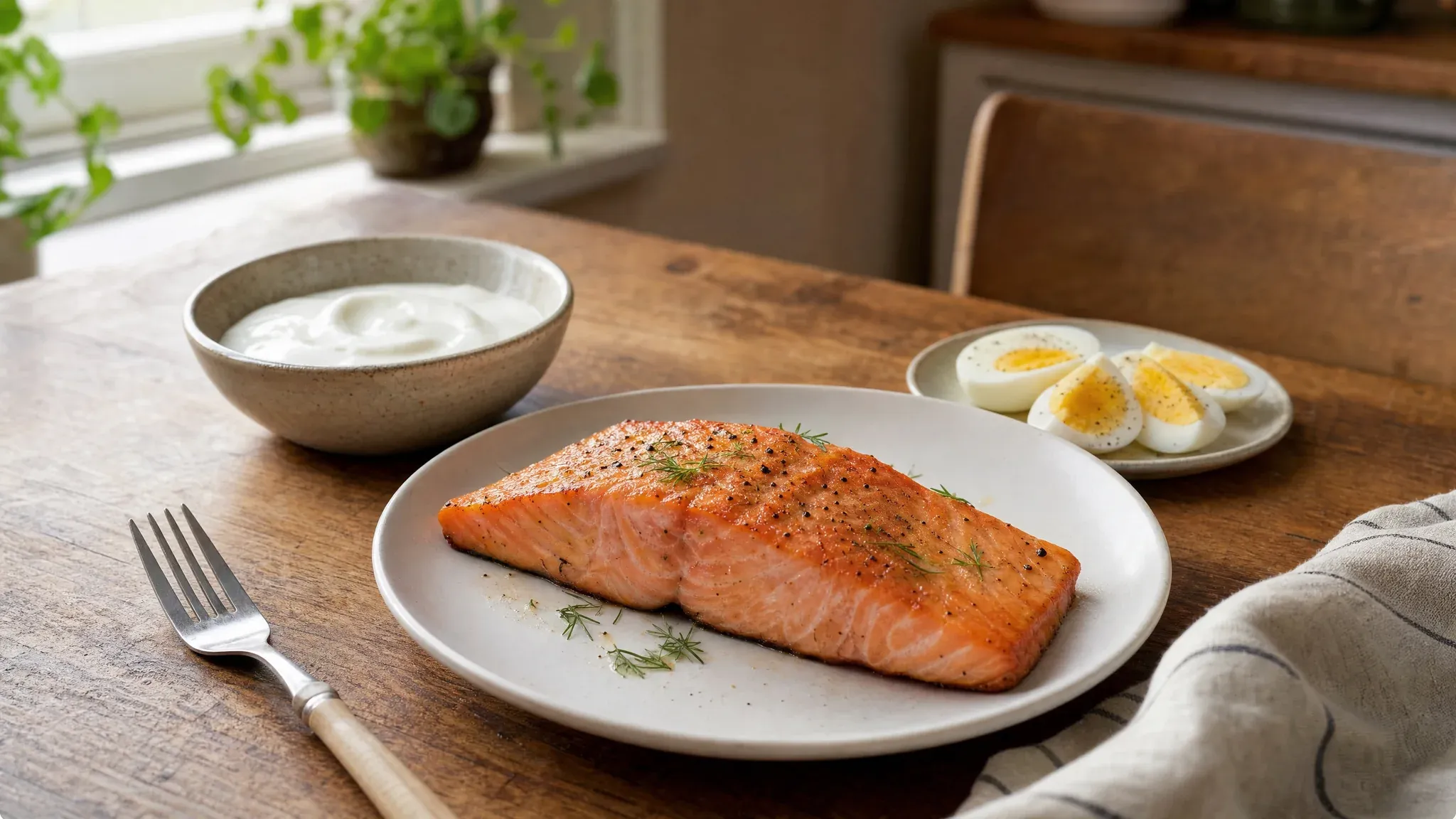
Vitamin B12 foods to look for at the grocery store
Vitamin B12 foods include salmon, tuna, beef, milk, yogurt, and eggs. Some breakfast cereals and nutritional yeasts have added B12, which the package may call fortified. If you eat mostly plants, look for that added B12 and check the amount on the Nutrition Facts label.
Start with a meal you make often. For lunch, a can of light tuna can fill a sandwich or top a baked potato. For breakfast, a cereal with added B12 is a useful option if you enjoy cereal already. The NIH Office of Dietary Supplements explains which foods supply B12 naturally and how to find fortified foods.
Compare common foods by serving
The NIH food-source table for vitamin B12 gives these example amounts. The numbers are rounded and refer to the foods and portions listed.
Three ounces of cooked Atlantic salmon provide about 2.6 micrograms of B12. The same portion of canned light tuna in water provides about 2.5 micrograms.
A cup of 2% milk provides about 1.3 micrograms. A 6-ounce container of plain fat-free yogurt has about 1 microgram, and a large cooked egg has about 0.5 micrograms.
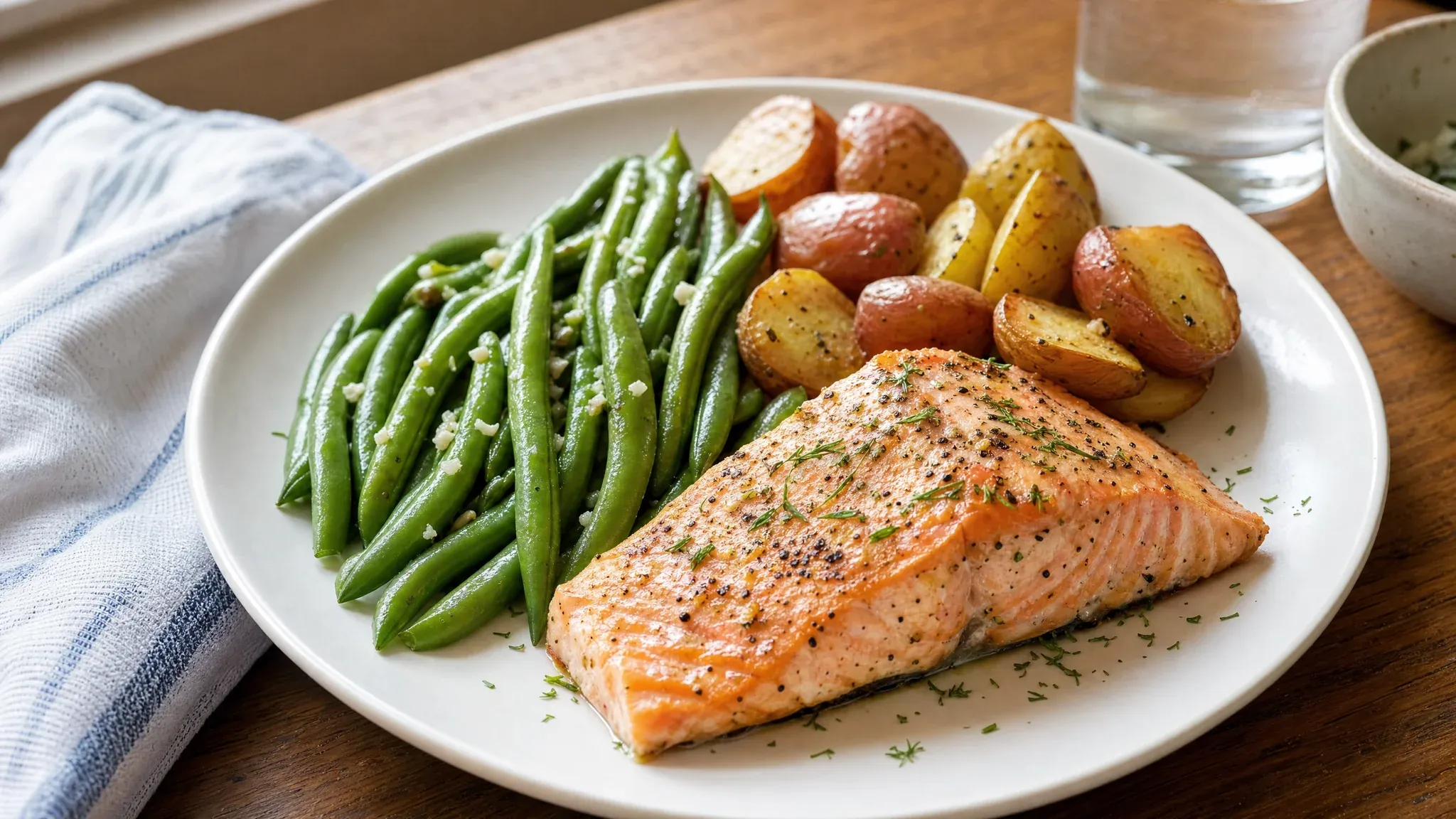
A fish dinner can supply more B12 than an egg breakfast. Eggs and yogurt can still contribute over the course of a day. If a whole carton of yogurt tends to go unused, buy a smaller tub and use it on oats or as a topping for a baked potato. For pantry lunches, our canned salmon and tuna guide compares sodium, bones, and mercury across common choices.
Check which plant foods have added B12
Look for vitamin B12 on the Nutrition Facts panel of breakfast cereal, nutritional yeast, or a plant beverage. Fortification varies by product. Two cartons that look similar on the shelf can contain different amounts, and a second brand of nutritional yeast may have none added. The NIH consumer fact sheet recommends checking the label for added B12.
Beans, lentils, and other unfortified plant foods can be useful meal staples. Plan for a reliable source of B12 alongside them. If you pour a plant beverage over cereal, check each label on its own. Our milk and almond milk comparison shows what else to look for on the carton.
Work through a breakfast label
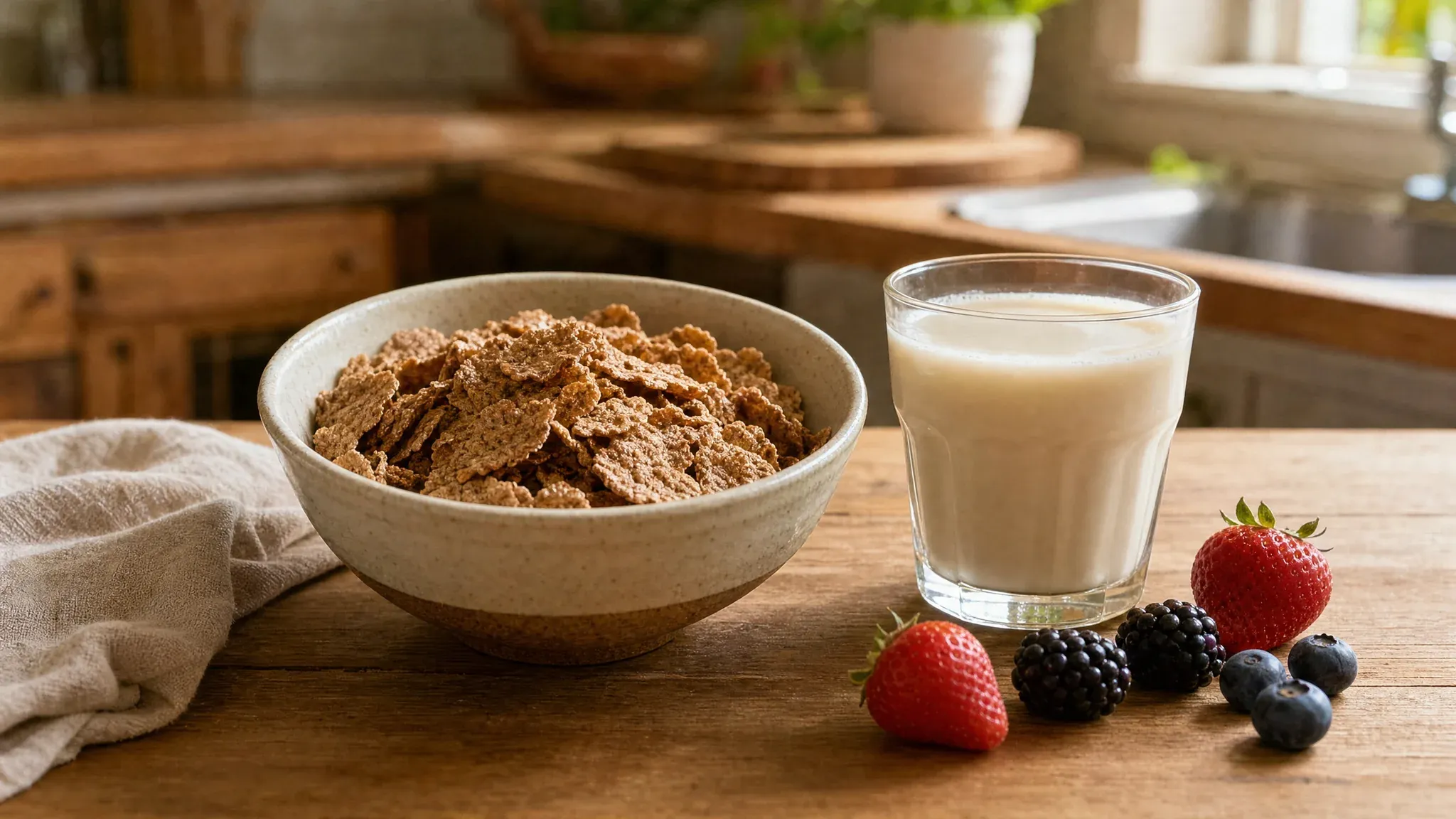
Suppose a fortified cereal lists 25% Daily Value for B12 per cup and a fortified soy beverage lists 50% per cup. If you eat one cup of cereal with half a cup of the beverage, the cereal gives you 25% and the beverage gives you another 25%. Together they provide 50% Daily Value, or 1.2 micrograms. Those label numbers are hypothetical. Check the serving sizes and amounts printed on the products you buy. For a breakfast like the one pictured, check both packages to confirm whether they have added B12.
The FDA Daily Values table uses 2.4 micrograms as the general U.S. label reference for B12. The percentage compares what foods supply per serving. Ask your clinician about your needs if you’re making changes because of a low B12 level. You can read the rest of the panel with our Nutrition Facts label guide.
Talk with your clinician if you’re worried about low B12
Some older adults have trouble absorbing B12 that occurs naturally in foods. Added B12 in fortified foods comes in a form your body can absorb without first releasing it from food proteins. If you have a history of low B12, eat a fully plant-based diet, or have been told you have an absorption problem, ask your clinician what sources and follow-up make sense for you. A grocery list can help you describe what you eat. Your care team can advise on testing or treatment if needed. See the NIH guidance on B12 absorption and deficiency.
Frequently asked questions
Are eggs a source of vitamin B12?
Yes. One large cooked egg provides about half a microgram in the NIH food-source table. Pair an egg breakfast with another source later in the day if that fits your meals.
Is nutritional yeast always fortified with B12?
Check the package. The NIH vitamin B12 food table shows that amounts in fortified nutritional yeast vary across brands. Look at both the listed amount and the serving size.
Why might milk have B12 when the carton leaves it off?
Milk contains B12 naturally. The FDA requires B12 to be declared when it’s added, and listing naturally occurring B12 is generally voluntary. See the NIH Office of Dietary Supplements labeling FAQ.
Can I rely on food alone if my clinician says my B12 is low?
Ask your clinician about the cause and treatment. Low B12 can reflect trouble absorbing it as well as low intake, and the right treatment depends on why your levels are low. See the NIH consumer guide to B12 deficiency.